


Why CNC Machines Don’t Sell (Even When They’re “Priced Fairly”)
Updated: Jan 8
If your CNC machine has been listed for weeks or even months with no inquiries, you’re not alone and you’re not imagining things. In many cases, sellers aren’t sure whether the issue is demand or price. Understanding how to tell if a CNC machine is overpriced is often the next step after a machine sits with no inquiries.
Every day, sellers search for answers like:
Why is my CNC machine not selling?
Why is my CNC listed but no buyers are calling?
Why is my CNC machine just sitting for sale?
The uncomfortable truth is this: Most CNC machines don’t fail to sell because they’re bad machines. They fail to sell because they’re priced, presented, or represented based on assumptions that no longer match how buyers actually behave.
The CNC resale market has changed quietly and many sellers are still operating as if it hasn’t.
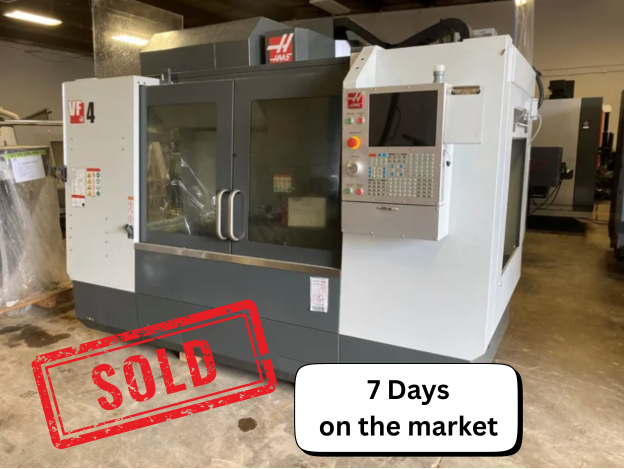
Why CNC Machines Don’t Sell & Sit for Sale With No Buyers
When a CNC machine gets no inquiries, sellers usually blame one of three things:
“The market is slow”
“Buyers are waiting”
“Everyone is lowballing right now”
Sometimes those are partially true. But in most cases, they’re not the real reason.
What’s actually happening is a mismatch between:
How sellers think buyers evaluate machines
How buyers actually evaluate risk
That gap is where listings stall.
1. “Fair Price” Is Not the Same as Market Price
One of the biggest misconceptions in the used CNC world is the idea of a fair price.
Sellers often price machines based on:
What they paid years ago
What similar machines sold for in the past
Dealer opinions or price guides
Buyers don’t see it that way.
They’re asking:
How quickly can this machine be put into production?
What could go wrong after delivery?
How exposed am I if something fails?
If the price doesn’t clearly compensate for those risks, buyers don’t negotiate, they disengage. That’s why so many CNC machines are listed but receive no calls at all.
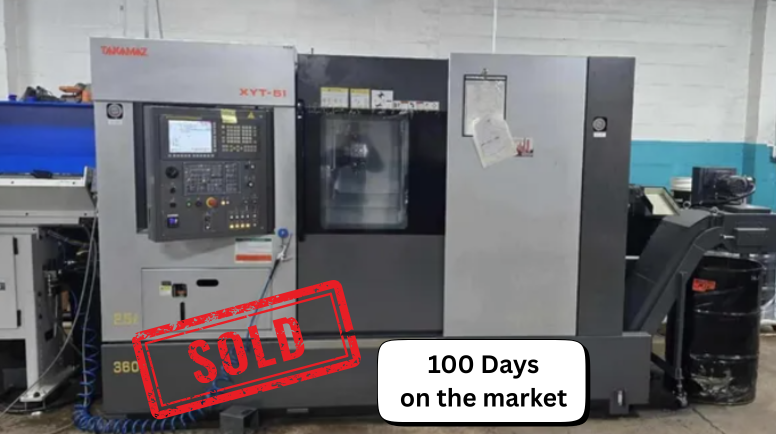
2. Buyers Avoid Unanswered Risk (Silence Is a Decision)
From the seller’s side, silence feels confusing.
From the buyer’s side, silence is deliberate.
Most buyers won’t reach out unless the listing:
Makes value obvious
Addresses common concerns upfront
Reduces uncertainty instead of adding to it
Missing details, vague descriptions, or listings that feel “hands-off” signal risk and risk stops inquiries.
This is especially common when machines are technically for sale, but no one is actively explaining why they’re worth buying.
3. Age Matters Less Than Transparency (But Sellers Get This Backwards)
Another reason CNC machines don’t sell is misunderstanding how buyers view age.
Buyers aren’t automatically scared of older machines. They are wary of:
Unknown service history
Unsupported controls
Unclear upgrade or repair paths
A 20-year-old machine with clear documentation and honest context can outperform a newer machine that leaves buyers guessing.
When listings don’t address this, buyers move on quietly.

4. Being “Listed” Is Not the Same as Being Represented
This is the factor most sellers don’t realize until months have passed.
Many CNC machines don’t sell because of how they’re being handled by the dealer or platform representing them, not because of the machine itself.
A large portion of the industry operates on a passive model:
List the machine
Add basic specs
Wait for buyers to find it
Forward inquiries if they come in
On paper, the machine is “for sale.” In reality, it’s just sitting online.
From a buyer’s perspective, passive listings feel generic and unsupported. There’s no advocacy, no context, and no one clearly answering the question buyers care about most:
“Why should I buy this machine instead of the others I’m comparing?”
When buyers sense that no one truly understands or stands behind the machine, they don’t ask questions, they just keep scrolling.
5. The Market Punishes Optimism, Not Quality
Many sellers assume they can start slightly high and adjust later.
In today’s CNC market, that strategy often backfires.
Buyers filter aggressively. If a listing appears misaligned with current market reality, even slightly, it never enters serious consideration. This is why sellers experience zero inquiries, not even low offers.
It’s not that buyers aren’t active. It’s that they’re selective and fast.
Why CNC Sellers Feel Stuck (And What Actually Works)
By the time a CNC machine has been sitting for sale too long, sellers usually feel boxed in:
Drop the price blindly
Send it to auction
Accept a painful dealer offer
None of those options address the real problem.
What actually works is alignment:
Aligning price with real buyer risk
Aligning presentation with buyer expectations
Aligning representation with how machines are actually sold today
This means moving from passive listing to active representation.
At MachineToolSearch.com, machines aren’t treated as generic inventory. Each listing is approached with an understanding that:
Buyers compare quickly
Risk perception matters more than specs
Silence usually signals hesitation, not lack of demand
That’s why listings are handled proactively, positioning machines honestly, getting them in front of the right buyers, and addressing concerns before they become deal-breakers.
The Hard Truth Most Sellers Don’t Hear
If your CNC machine isn’t selling, it doesn’t mean:
The machine is junk
You missed your chance
There are no buyers
It usually means the market is telling you something, quietly.
Interpreting that signal correctly can save months of frustration.

Final Thought
If you’re wondering why your CNC machine isn’t selling, assume buyers are rational, even when the market feels irrational.
Once you understand how buyers think, and how machines need to be represented in today’s environment, solutions become much clearer.
If you want an honest, market-based view of where your machine actually stands without hype or pressure, that’s what we do at MachineToolSearch.com.
