


Boeing’s Strategic Acquisition of Spirit AeroSystems: What It Means for Aerospace
The aerospace industry is shifting — and Boeing’s strategic acquisition of Spirit AeroSystems is at the center of that evolution. In a move set to reshape commercial aircraft manufacturing, Boeing has completed a $4.7 billion purchase of Spirit AeroSystems, bringing one of its most critical suppliers back under direct control after nearly two decades apart. GovCon Wire+1
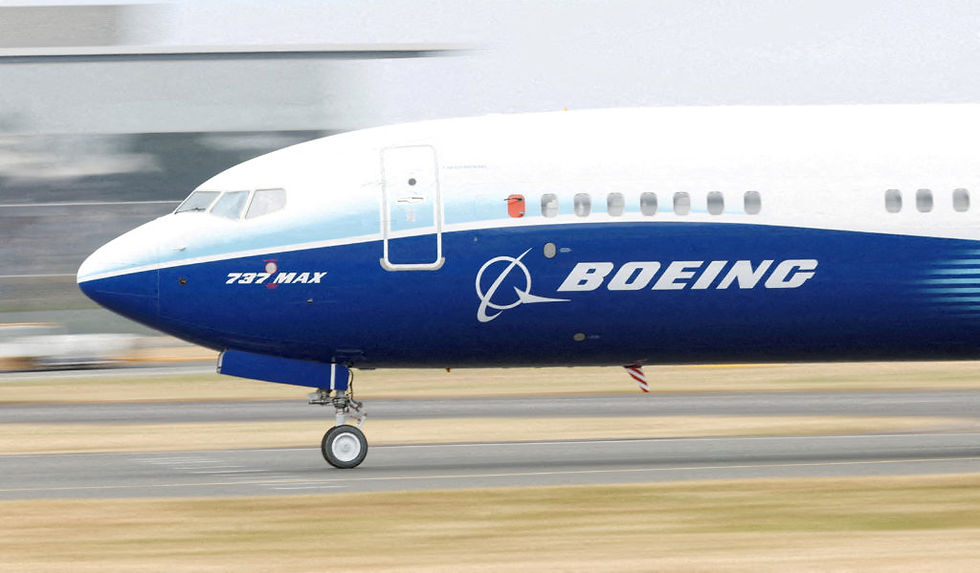
A Historic Supplier Reunited
Spirit AeroSystems has been a cornerstone of Boeing’s supply chain for years, producing fuselages and aerostructures for Boeing’s most successful aircraft, including the Boeing 737 MAX and wide-body jets. Wikipedia
Originally spun off by Boeing in 2005, Spirit grew into the world’s largest independent aerostructures manufacturer. However, Boeing’s decision to reacquire Spirit marks a dramatic shift back toward vertical integration — reversing the outsourcing trends of the early 2000s. GovCon Wire
Why This Boeing Acquisition Matters
1. Improved Quality Control and Safety
One of the driving forces behind the acquisition has been quality oversight. Spirit’s manufacturing operations have occasionally faced scrutiny due to production issues that impacted Boeing aircraft deliveries and performance. Bringing Spirit back in-house allows Boeing to align engineering standards, inspections, and quality systems more closely. GovCon Wire
2. Supply Chain Stability
The global aerospace supply chain has seen disruption due to pandemic-related delays, labor shortages, and fluctuating production rates. By reintegrating Spirit, Boeing gains greater control over fuselage, wing, and structural production, stabilizing the flow of critical components. Boeing Investors
3. Strategic Realignment
The acquisition also brings Boeing’s largest provider of spare parts in-house and expands its maintenance, repair, and overhaul (MRO) services footprint — a strategic boost to Boeing’s aftermarket business and service capabilities. Boeing Investors
Regulatory Clearance and Industry Impacts
Like all major aerospace mergers, Boeing’s purchase faced regulatory review. The U.S. Federal Trade Commission approved the acquisition with required divestitures of certain Airbus-related Spirit assets to protect competition in the large commercial aircraft market. Flight Global
This aspect highlights how the deal not only affects Boeing and Spirit but also global competition, especially in the context of Airbus’s own aerostructures operations. Flight Global

Economic and Workforce Implications
Approximately 15,000 Spirit employees are now part of Boeing’s expanded operations, a significant workforce integration that also brings labor and operational synergies. Flying Magazine
Moreover, Wichita — long known as the “Air Capital of the World” — is poised to remain a central hub for aerostructures production as Boeing strengthens its presence there. PR Newswire
Looking Ahead: What This Means for Aviation
This acquisition signals a new era for Boeing — one focused on vertical integration, tighter quality control, and deeper oversight of manufacturing processes. As Boeing works to regain regulatory confidence and improve delivery reliability, owning key supply chain elements could become a long-term competitive advantage in commercial and defense aviation. GovCon Wire
Whether you’re an industry professional, aviation enthusiast, or investor, Boeing’s acquisition of Spirit AeroSystems is a story worth watching — one that could shape the future of aerospace manufacturing for years to come.
Reference Links You Can Include
Boeing Completes Spirit AeroSystems Acquisition (Press Release) — https://www.prnewswire.com/news-releases/boeing-completes-acquisition-of-spirit-aerosystems-302635390.html PR Newswire
Boeing Finalizes Spirit AeroSystems Buy (GovConWire) — https://www.govconwire.com/articles/boeing-spirit-aerosystems-acquisition GovCon Wire
Spirit AeroSystems Wikipedia Overview — https://en.wikipedia.org/wiki/Spirit_AeroSystems Wikipedia
Boeing and FTC Approval Details — https://www.flightglobal.com/airframers/ftc-approves-boeings-spirit-aerosystems-acquisition-with-airbus-divestitures/165582.article Flight Global
